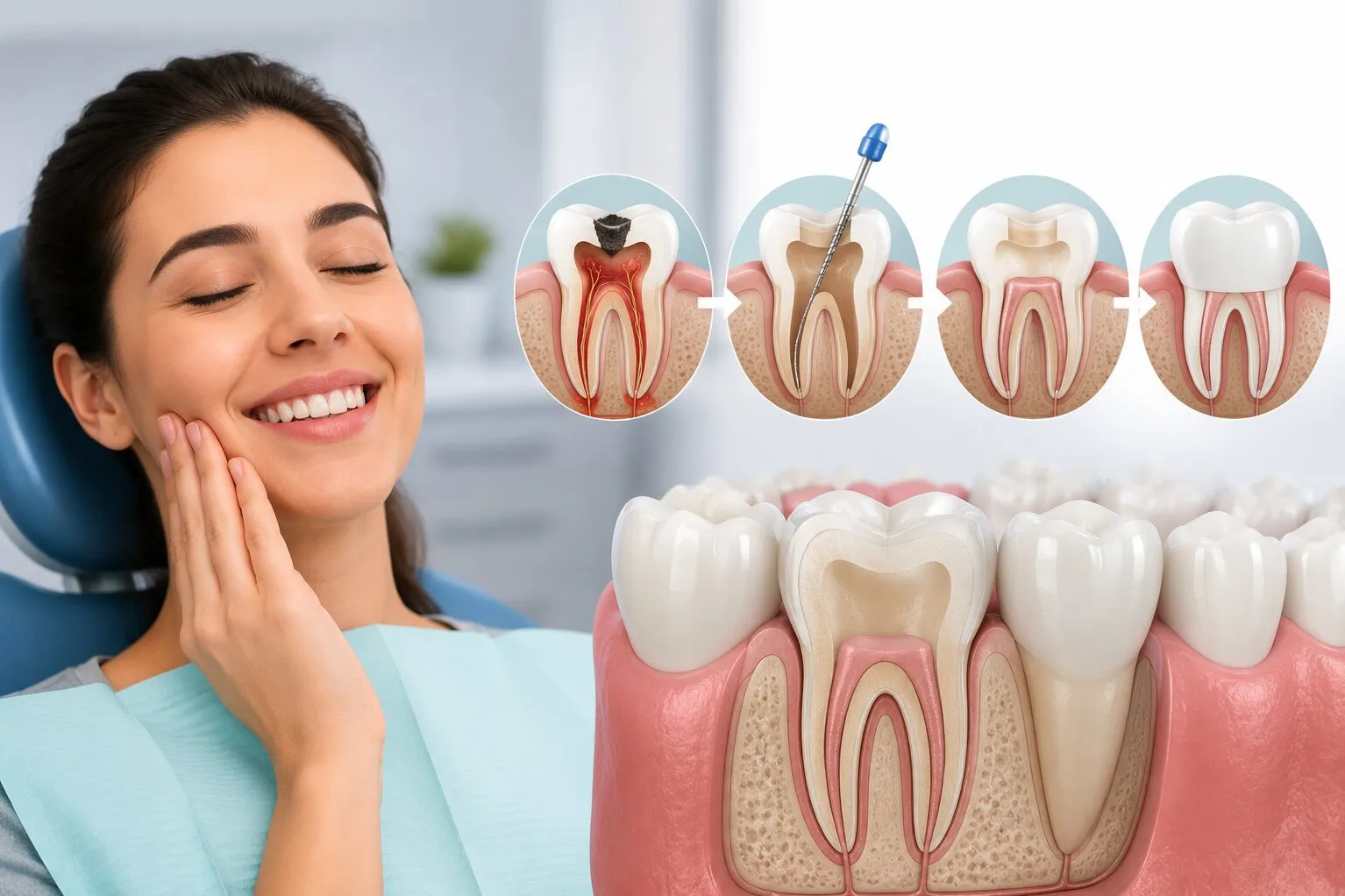
Root canal treatment (RCT) is a dental procedure used to save a tooth when the soft inner part of the tooth, called the pulp, becomes infected or badly inflamed due to deep tooth decay, cracks, trauma or repeated dental procedures.
🦷 What Happens During a Root Canal Treatment?
During root canal treatment, the dentist carefully removes the infected or damaged pulp, cleans and disinfects the root canals, and seals them to prevent reinfection. The tooth is then restored with a suitable filling or dental crown when required.
The goal of RCT is simple: remove infection, relieve pain and save your natural tooth.
When Do You Need a Root Canal?
Common signs that may indicate the need for RCT include:
Severe or lingering toothache
Pain while biting or chewing
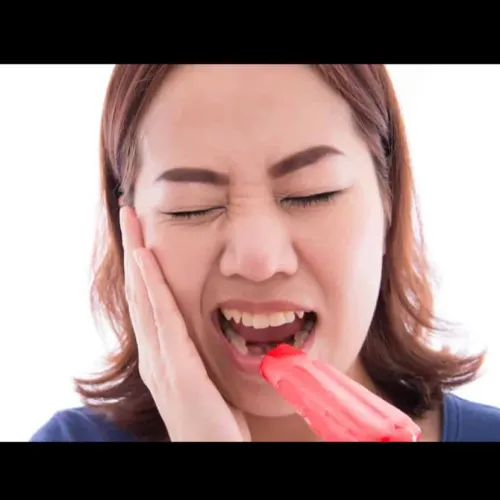
Prolonged sensitivity to hot or cold
Swelling or a recurring gum boil near the tooth
Deep tooth decay
A cracked or injured tooth
Darkening or discoloration of a tooth
Sometimes, a tooth may require root canal treatment even without pain, so regular dental check-ups are important.
Common Myths About Root Canal Treatment
Myth 1: Root canal treatment is extremely painful.
Fact: Modern dental techniques and local anaesthesia make RCT much more comfortable than many people expect. The procedure is performed to remove the source of dental pain, not cause it.
Myth 2: It is better to remove the tooth than have an RCT.
Fact: Whenever possible, saving your natural tooth is generally preferable. A properly treated tooth can continue to function normally and help maintain your bite.
Myth 3: Root canal treatment causes illness in the body.
Fact: RCT is an established dental treatment used to remove infection from inside a tooth. There is no good scientific evidence that properly performed root canal treatment causes systemic diseases.
Myth 4: RCT is only needed when the tooth hurts.
Fact: Infection or pulp damage can sometimes exist with little or no pain. Your dentist may recommend an X-ray and clinical examination to determine whether RCT is necessary.
Myth 5: A root canal-treated tooth cannot last long.
Fact: With proper treatment, a good final restoration, and regular oral hygiene, a root canal-treated tooth can function for many years.
Is Root Canal Treatment Safe?
Root canal treatment is a routine and well-established dental procedure. The success of treatment depends on factors such as the condition of the tooth, proper cleaning and sealing of the canals, restoration of the tooth and maintaining good oral hygiene.
If you have tooth pain, sensitivity, swelling or deep dental decay, don't wait until the problem becomes severe. Early diagnosis can sometimes help save the tooth with appropriate treatment.
Root Canal Treatment in Mulund
Looking for a root canal specialist or dentist in Mulund for a painful or infected tooth? At Parekh Dental Care, Mulund, treatment is planned after a detailed dental examination and appropriate X-rays, with a focus on comfortable and conservative dental care.
Dr. Hetal Parekh – Parekh Dental Care, Mulund
📞 For dental consultation and RCT-related queries, contact Parekh Dental Care. 9833423232
🦷 What Happens During a Root Canal Treatment?
During root canal treatment, the dentist carefully removes the infected or damaged pulp, cleans and disinfects the root canals, and seals them to prevent reinfection. The tooth is then restored with a suitable filling or dental crown when required.
The goal of RCT is simple: remove infection, relieve pain and save your natural tooth.
When Do You Need a Root Canal?
Common signs that may indicate the need for RCT include:
Severe or lingering toothache
Pain while biting or chewing
Prolonged sensitivity to hot or cold
Swelling or a recurring gum boil near the tooth
Deep tooth decay
A cracked or injured tooth
Darkening or discoloration of a tooth
Sometimes, a tooth may require root canal treatment even without pain, so regular dental check-ups are important.
Common Myths About Root Canal Treatment
Myth 1: Root canal treatment is extremely painful.
Fact: Modern dental techniques and local anaesthesia make RCT much more comfortable than many people expect. The procedure is performed to remove the source of dental pain, not cause it.
Myth 2: It is better to remove the tooth than have an RCT.
Fact: Whenever possible, saving your natural tooth is generally preferable. A properly treated tooth can continue to function normally and help maintain your bite.
Myth 3: Root canal treatment causes illness in the body.
Fact: RCT is an established dental treatment used to remove infection from inside a tooth. There is no good scientific evidence that properly performed root canal treatment causes systemic diseases.
Myth 4: RCT is only needed when the tooth hurts.
Fact: Infection or pulp damage can sometimes exist with little or no pain. Your dentist may recommend an X-ray and clinical examination to determine whether RCT is necessary.
Myth 5: A root canal-treated tooth cannot last long.
Fact: With proper treatment, a good final restoration, and regular oral hygiene, a root canal-treated tooth can function for many years.
Is Root Canal Treatment Safe?
Root canal treatment is a routine and well-established dental procedure. The success of treatment depends on factors such as the condition of the tooth, proper cleaning and sealing of the canals, restoration of the tooth and maintaining good oral hygiene.
If you have tooth pain, sensitivity, swelling or deep dental decay, don't wait until the problem becomes severe. Early diagnosis can sometimes help save the tooth with appropriate treatment.
Root Canal Treatment in Mulund
Looking for a root canal specialist or dentist in Mulund for a painful or infected tooth? At Parekh Dental Care, Mulund, treatment is planned after a detailed dental examination and appropriate X-rays, with a focus on comfortable and conservative dental care.
Dr. Hetal Parekh – Parekh Dental Care, Mulund
📞 For dental consultation and RCT-related queries, contact Parekh Dental Care. 9833423232
Keywords