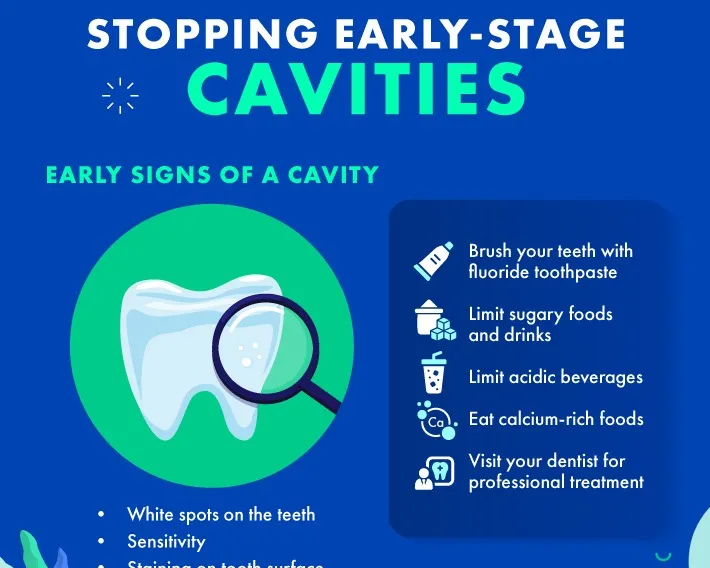
Is tooth decay reversible? This is a common question asked by patients who notice white spots, sensitivity, or early signs of cavities. The answer depends on how advanced the tooth decay is.
In its earliest stage, tooth decay can sometimes be stopped or reversed with proper dental care. However, once a cavity has formed and the tooth structure has been permanently damaged, it cannot naturally grow back. Timely treatment can prevent the decay from becoming deeper and more complicated.
What Happens During Tooth Decay?
Tooth decay occurs when bacteria in dental plaque produce acids that gradually remove minerals from the tooth enamel. Initially, this process may appear as white or chalky spots on the teeth. This is known as early enamel demineralisation.
At this stage, improving oral hygiene, reducing frequent sugar intake, using fluoride toothpaste, and receiving professional dental advice may help the enamel remineralise and prevent further progression.
When Is Tooth Decay No Longer Reversible?
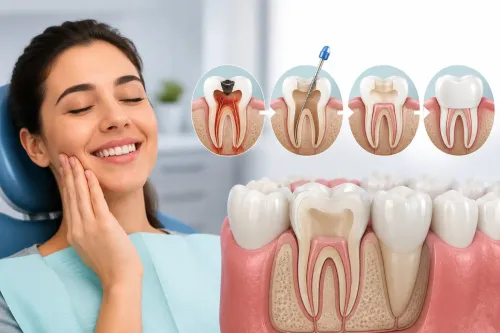
If tooth decay progresses beyond the early stage and creates an actual cavity or hole in the tooth, the damaged tooth structure cannot repair itself. A dental filling may be required to remove the decayed portion and restore the tooth.
If decay reaches the inner pulp of the tooth, it can cause symptoms such as severe toothache, prolonged sensitivity, swelling, or pain while chewing. In such cases, more extensive treatment such as root canal treatment may be necessary.
Signs You Should Not Ignore
Look out for:
White, brown, or black spots on your teeth
Tooth sensitivity to hot, cold, or sweet foods
Food getting stuck repeatedly between teeth
Pain while chewing
Toothache or spontaneous dental pain
Visible holes or pits in the teeth
Bad breath associated with a decayed tooth
Remember, tooth decay may not cause pain in its early stages. Regular dental check-ups can help identify cavities before they become painful or require extensive treatment.
How Can You Prevent Tooth Decay?
Good daily habits can significantly reduce your risk of cavities:
Brush twice a day with fluoride toothpaste.
Clean between your teeth regularly using floss or interdental cleaning aids.
Limit frequent consumption of sugary snacks and drinks.
Avoid continuously sipping sweetened beverages throughout the day.
Maintain regular professional dental check-ups and cleaning.
Get early treatment if you notice sensitivity or changes in your teeth.
Visit Parekh Dental Care, Mulund
At Parekh Dental Care, Mulund, Dr. Hetal Parekh focuses on early diagnosis, preventive dentistry, and conservative dental treatment whenever appropriate. Identifying tooth decay at an early stage can help preserve more of your natural tooth structure and avoid complicated dental procedures later.
If you are searching for a dentist in Mulund, best dentist in Mulund West, cavity treatment in Mulund, or tooth decay treatment in Mulund, Mumbai, timely dental evaluation is the best way to understand the condition of your teeth.
Don't wait for a cavity to start hurting. Early detection can make treatment simpler and help you maintain a healthy, natural smile.
Parekh Dental Care, Mulund
Dr. Hetal Parekh – Dentist in Mulund, Mumbai
In its earliest stage, tooth decay can sometimes be stopped or reversed with proper dental care. However, once a cavity has formed and the tooth structure has been permanently damaged, it cannot naturally grow back. Timely treatment can prevent the decay from becoming deeper and more complicated.
What Happens During Tooth Decay?
Tooth decay occurs when bacteria in dental plaque produce acids that gradually remove minerals from the tooth enamel. Initially, this process may appear as white or chalky spots on the teeth. This is known as early enamel demineralisation.
At this stage, improving oral hygiene, reducing frequent sugar intake, using fluoride toothpaste, and receiving professional dental advice may help the enamel remineralise and prevent further progression.
When Is Tooth Decay No Longer Reversible?
If tooth decay progresses beyond the early stage and creates an actual cavity or hole in the tooth, the damaged tooth structure cannot repair itself. A dental filling may be required to remove the decayed portion and restore the tooth.
If decay reaches the inner pulp of the tooth, it can cause symptoms such as severe toothache, prolonged sensitivity, swelling, or pain while chewing. In such cases, more extensive treatment such as root canal treatment may be necessary.
Signs You Should Not Ignore
Look out for:
White, brown, or black spots on your teeth
Tooth sensitivity to hot, cold, or sweet foods
Food getting stuck repeatedly between teeth
Pain while chewing
Toothache or spontaneous dental pain
Visible holes or pits in the teeth
Bad breath associated with a decayed tooth
Remember, tooth decay may not cause pain in its early stages. Regular dental check-ups can help identify cavities before they become painful or require extensive treatment.
How Can You Prevent Tooth Decay?
Good daily habits can significantly reduce your risk of cavities:
Brush twice a day with fluoride toothpaste.
Clean between your teeth regularly using floss or interdental cleaning aids.
Limit frequent consumption of sugary snacks and drinks.
Avoid continuously sipping sweetened beverages throughout the day.
Maintain regular professional dental check-ups and cleaning.
Get early treatment if you notice sensitivity or changes in your teeth.
Visit Parekh Dental Care, Mulund
At Parekh Dental Care, Mulund, Dr. Hetal Parekh focuses on early diagnosis, preventive dentistry, and conservative dental treatment whenever appropriate. Identifying tooth decay at an early stage can help preserve more of your natural tooth structure and avoid complicated dental procedures later.
If you are searching for a dentist in Mulund, best dentist in Mulund West, cavity treatment in Mulund, or tooth decay treatment in Mulund, Mumbai, timely dental evaluation is the best way to understand the condition of your teeth.
Don't wait for a cavity to start hurting. Early detection can make treatment simpler and help you maintain a healthy, natural smile.
Parekh Dental Care, Mulund
Dr. Hetal Parekh – Dentist in Mulund, Mumbai
Keywords